June 1 is coming. Are your clients’ policies ready?
Things look calmer than last year, but calmer doesn’t mean protected. Just one storm making landfall can expose every gap in a policy. Here’s how the 2026 season is trending, what it means for your book, and how to get every client ready before the wind picks up.
What the 2026 Forecast Actually Tells You
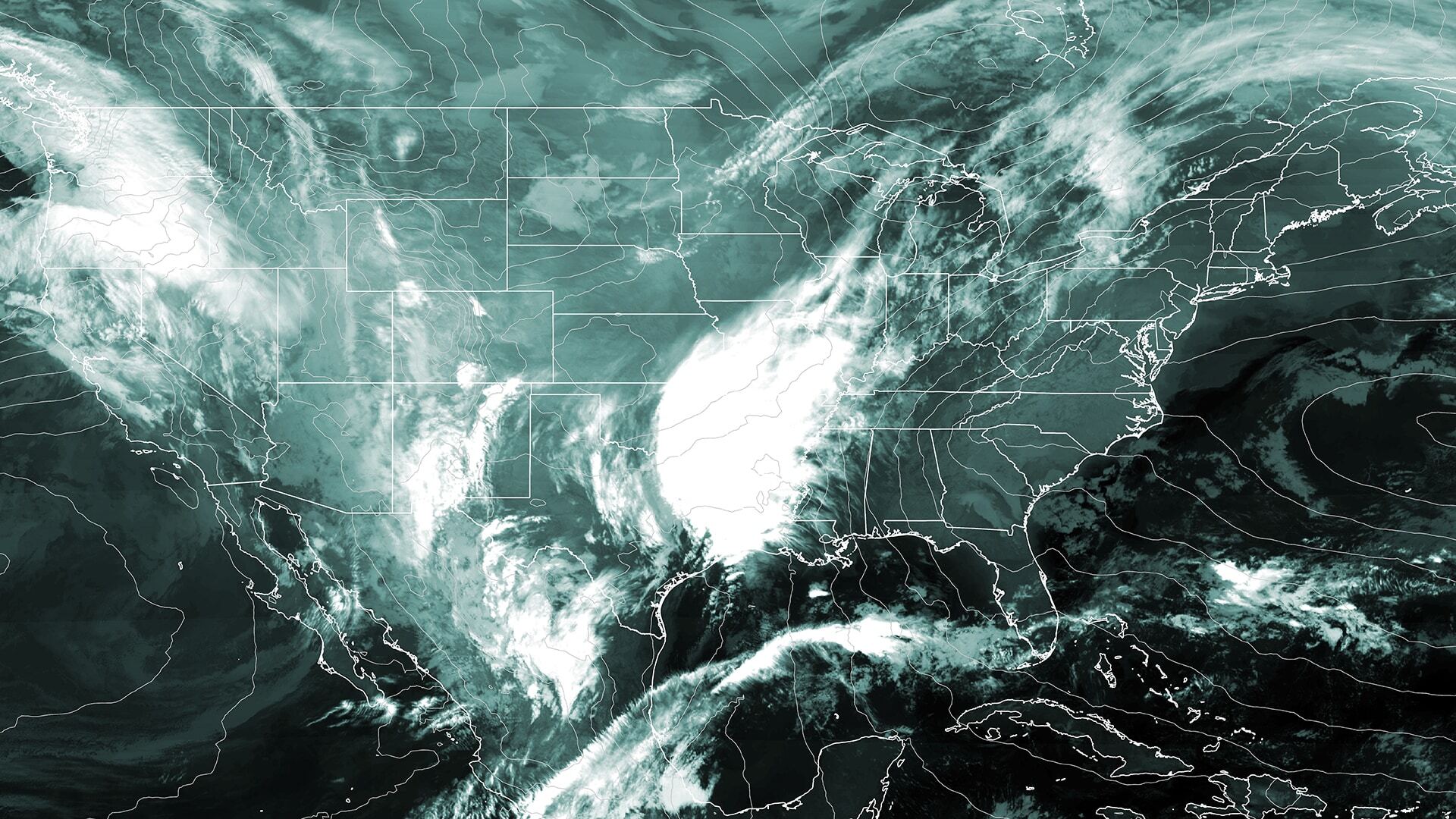
13 named storms, 6 hurricanes, and 2 major (Category 3+) hurricanes are on the board for 2026, below the 1991–2020 averages of 14 named storms and 7 hurricanes. The dominant factor for the dip is a strengthening El Niño, which drives increased wind shear across the tropical Atlantic and disrupts storm development. The probability of El Niño conditions sits at 90% during the August-to-October peak, making it the most likely suppressor of Atlantic activity this season.
But remember, El Niño doesn’t shut the Atlantic down. The 2023 season (also an El Niño year) produced 20 named storms, because record-warm Atlantic sea surface temperatures overrode the suppression. So far, Atlantic waters remain above average in 2026, so one anomaly in the forecast models, one unexpected intensification event, and the “near-normal” headline is irrelevant to the insured whose property just flooded.
Don’t Sleep on the Pacific
While El Niño suppresses the Atlantic, it does the opposite in the Eastern and Central Pacific. Above-average named storms, hurricanes, and major hurricanes are projected for both the Eastern and Central Pacific basins, with elevated risk for Hawaii, Southern California, and Mexico-adjacent supply chains. A potential super El Niño could extend that activity into late October and November. If your book includes hospitality properties, marine operations, coastal or inland flood-exposed accounts, or commercial real estate in the Southwest, the Pacific forecast matters, even if your clients don’t live on the Gulf Coast.
Six Conversations to Have With Every Client Before June 1
Before a named storm is anywhere near the forecast cone, these are the topics every agent should be raising. Work through them now and you won’t be scrambling later.
1. Do Your Clients Know Their Zone?
Location risk isn’t just about Category wind ratings. Storm surge, inland flooding, and rainfall totals routinely cause more loss than wind. Walk clients through FEMA’s Flood Risk Maps and FloodSmart’s NFIP resources to confirm whether their property sits in a flood zone or evacuation area, and make sure they actually know what to do when a storm is inbound.
2. Is Your Clients’ Coverage Actually Current?
Schedule the review now. Check replacement cost valuations, named-storm deductibles, windstorm exclusions, and flood coverage gaps. Post-storm is too late to add a flood endorsement or correct an underinsured value. That conversation has to happen before a loss.
3. Are Your Clients Using Risk Mitigation Services?
Many high-net-worth and commercial carriers offer complimentary risk mitigation services for coastal properties, like structural assessments, drainage reviews, and building hardening recommendations. If a client is paying substantial premiums, they should be using every resource available to them.
4. Do Your Clients Have a Plan and Documentation to Back It Up?
Emergency plans need to exist before the storm track is published. Help clients identify shelter areas, evacuation routes, and emergency contacts using Ready.gov. Then make sure they have current photos and videos of all property and inventory. Post-storm documentation is what separates a smooth claim from a contested one.
5. Is the Property Ready for Wind and Water?
Impact-resistant windows, roof reinforcements, cleared drainage, and secured outdoor equipment keep a storm event from becoming a total loss. Pre-season structural guides are available from NOAA and the National Weather Service. Share them with clients before the season starts.
6. Have You Walked Your Clients Through the Basics?
Make sure clients can actually function after a storm. Think 72-hour go-bags, medications, pet supplies, and secure copies of insurance policies, deeds, and financial records stored somewhere waterproof and accessible. It sounds like common sense, but these are the gaps that turn a stressful situation into a crisis.
Frequently Asked Questions
Q: If the 2026 hurricane forecast is below average, does my client still need a coverage review?
A: Yes. A below-average forecast describes basin-wide activity, not individual landfall probability. It takes one storm near your client’s property to expose every gap in their policy.
Q: Does homeowners insurance cover flood damage from a hurricane?
A: Typically it does not. Standard homeowners policies exclude flood damage, including storm surge and rainfall flooding. Separate flood coverage is required, either through the NFIP or private flood markets.
Q: What is a named-storm deductible, and how does it affect claims?
A: It’s a separate, higher deductible, often 2-5% of insured value, that applies when damage is caused by an officially named storm. Clients in coastal states are frequently caught off guard by the size of it at claim time.
Q: What insurance coverage areas are most likely to cause friction after a storm?
A: Flood exclusions, underinsured building valuations, named-storm deductibles, and inadequate business interruption limits are the most common friction points, all of which are fixable before the season starts.
Q: My client has Pacific exposure. Do they need to worry about the 2026 season?
A: Absolutely. El Niño is driving above-average activity in the Eastern and Central Pacific this year, with elevated risk for Hawaii, Southern California, and Mexico-adjacent operations. Review coastal flood, windstorm, and business interruption coverage for those accounts now.
Q: When is it too late to make coverage changes?
A: Once a storm is named, carriers often impose binding restrictions and won’t write new policies or add endorsements for affected areas. The window to act closes fast, so don’t wait for a storm to create the urgency.
Where Jencap Fits in the Forecast
Jencap’s property teams specialize in exactly the kind of accounts where standard markets struggle, like CAT-exposed coastal property, inland flood risk, hard-to-place commercial risks, high-net-worth homes, habitational, hospitality, and marine-adjacent exposures. Access to both admitted and non-admitted specialty markets means there’s a solution for accounts that don’t fit neatly into a standard carrier’s appetite.
The time to bring us in is before the season, not after a named storm makes your hard-to-place accounts nearly impossible to move. Contact Jencap now, and we’ll help you get ahead of the exposures that keep you up at night.