Claims are not happening more often, but when they do, they are costing a lot more. The latest research puts a number on it, reporting that total workers’ compensation (WC) claim costs grew 6% per year from 2022 to 2025. That is a major structural shift, and construction is at the center of it.
What is Driving the Increase?
Several forces are hitting all at once, and it is adding up to a big problem. Wages and indemnity costs move together. As construction wages rise, so does the cost of every lost-time claim. Longer disability durations only make the problem worse. Medical price inflation is the other major culprit. You may think that injured workers are getting more treatment, but the truth is that treatment just costs more, especially in hospital settings.
Mega claims are the story agents should stay on top of. Construction accounts for over 40% of all WC claims exceeding $10 million – more than any other industry. Its mega claim frequency is growing at roughly twice the rate of manufacturing and transportation. Claims over $2M have increased 91% in six years, while claims over $10M have increased 183%. An aging workforce adds fuel to all of this. One in five construction workers is 55 or older. Older workers heal slower and are more likely to have comorbidities, like diabetes or hypertension, that extend and complicate claims. 58% of high-cost WC claims involve at least one comorbidity.
The Construction Injury Claims That Hurt the Most
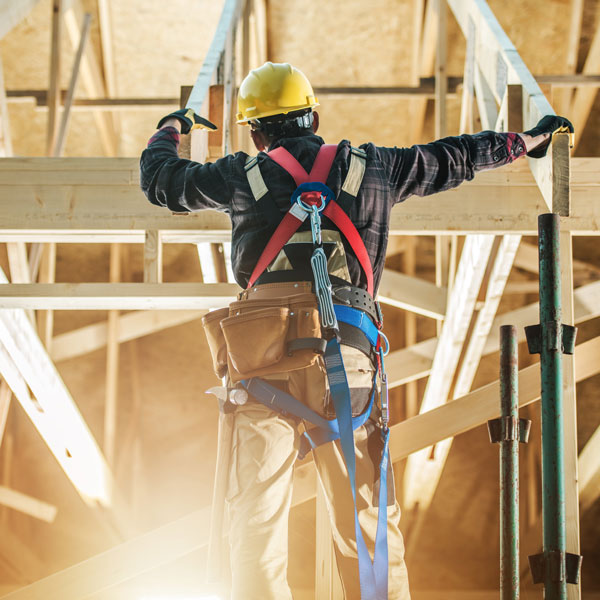
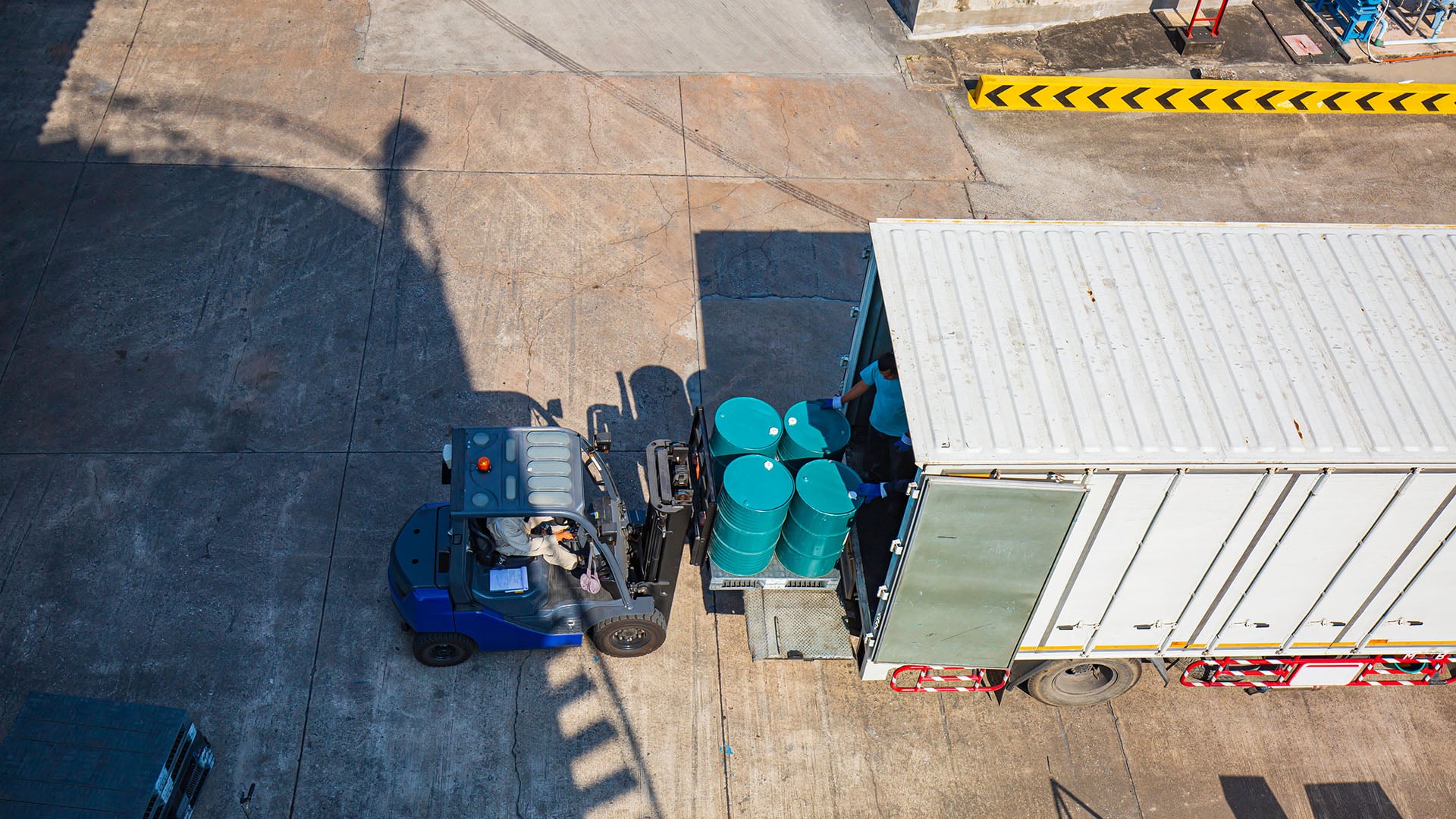
When it comes to WC, all claims are not created equal. Falls remain the leading cause of death, with construction accounting for nearly half of all fatal falls in private industry. Machinery accidents (like amputations, crush injuries, and fractures) are among the most likely to escalate into mega claims given their severity and rehabilitation timelines.
Head, brain, and spinal injuries make up over 80% of claims exceeding $10 million. These are the cases that can become lifetime obligations. Strains and overexertion are everywhere in construction and add up fast, especially when complicated by comorbidities or opioid prescriptions that significantly extend disability duration.
What Your Clients Can Do About It
Your clients cannot control most of these factors, but there are many preventative measures they can take advantage of.
- Fall prevention: written protocols, real accountability, regular equipment checks. OSHA’s annual Stand-Down to Prevent Falls is a useful reset point.
- Routine job site inspections: the high-severity events that generate mega claims are often preventable.
- Early intervention: getting the adjuster, provider, and employer talking early and building a return-to-work path is one of the highest-leverage moves in workers’ comp claims management.
- Workforce wellness: comorbidity management goes beyond being an HR concern and directly affects claim severity and duration.
Agent Checklist: Reviewing Construction Workers’ Compensation Accounts
As you evaluate your book of business, get answers to the questions that will help you and your clients prepare.
Exposure and Workforce
- Is your payroll broken out accurately by classification code, and has it been reviewed recently for any changes in operations?
- How would you describe your workforce mix? Do you rely on subcontractors or staffing agency workers, and how is that tracked for insurance purposes?
- What percentage of your workforce is 55 or older, and has your team discussed how that affects your risk profile?
- Do you have any wrap-up projects (OCIP/CCIP) underway, and are those payrolls being handled separately?
Safety and Loss Control
- Do you have a written safety program? If so, when was it last updated to reflect current operations and job site conditions?
- What do your fall protection protocols look like specifically for scaffolding, ladders, and leading-edge work?
- Do you know your OSHA recordable incident rate, and how does it compare to others in your segment?
- Who is responsible for conducting job site inspections, and how frequently are they happening?
- Do you have a drug testing program in place, including pre-hire, post-accident, and random testing?
- Is a Lockout/Tagout procedure in place to ensure machinery is completely shut off during service and repair?
- Is a buddy system in place for confined space work to ensure continuous monitoring in the event of an emergency?
Claims History and Management
- Walk me through your loss history over the last five years. Are there any open claims, high-severity situations, or litigation we should be aware of?
- Are any of your current claims approaching a level where they could significantly impact your experience modification?
- How does your team handle accident reporting? Is there a clear process, and are supervisors trained to follow it promptly?
- Do you have a formal return-to-work or modified duty program, and is it actually being used when claims occur?
Market and Carrier
- Are you prepared for the possibility that favorable market conditions may not fully offset your cost trends?
- Based on your loss history and operations, does this account fit standard admitted markets, or should we be looking at E&S or specialty options?
- When evaluating carriers, are we looking for genuine construction expertise and loss control resources?
FAQ
Why are costs rising if frequency is stable?
Because severity is doing the work. Higher wages, pricier medical care, longer disability durations, and more high-dollar claims are all pushing costs up, even when claim counts hold steady.
What’s a mega claim and why does construction have so many?
Generally $2M+ in incurred losses. Construction tops every industry for mega claim share because the work involves heights, heavy equipment, and electrical, which creates conditions for catastrophic injury. And frequency is growing faster here than anywhere else.
Should clients expect rate relief?
Maybe, but don’t promise it. The industry combined ratio is healthy at 91, but severity grew 4% in 2025 for both medical and indemnity. Accounts with adverse loss history shouldn’t count on it.
Why a Specialty Partner Like Jencap Matters
Construction workers’ compensation insurance is one of the more complex placements you will make. The agents who hold these accounts long-term are the ones who show up with insight, not just options. That is exactly what Jencap is here for. We specialize in construction worker’s compensation and work with retail agents to find the right carrier fit for their clients’ specific risk profile, whether that’s standard or complex. Reach out today.